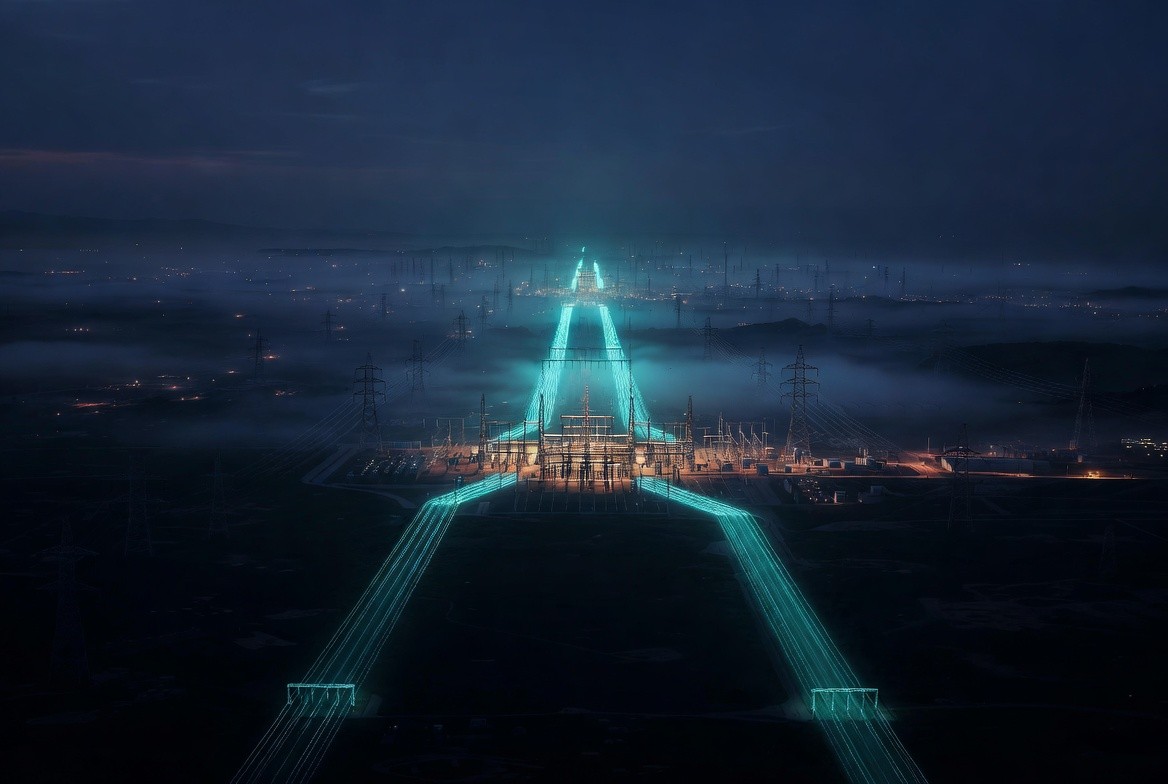
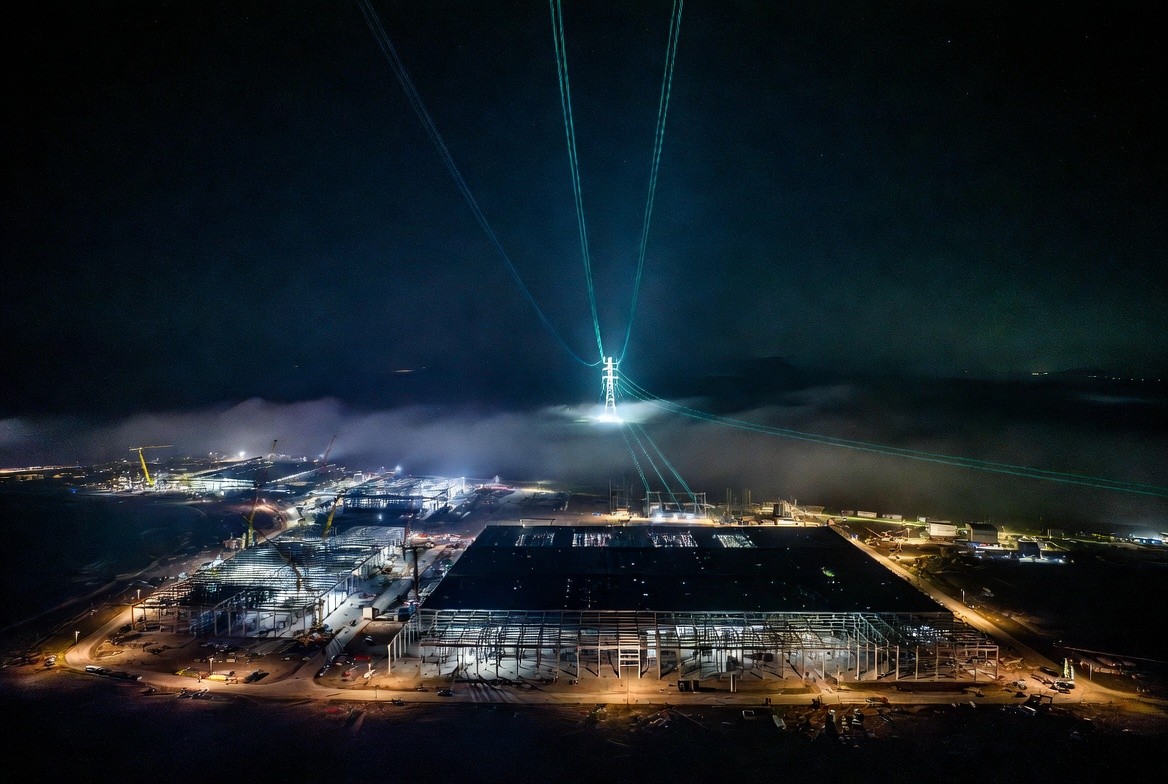
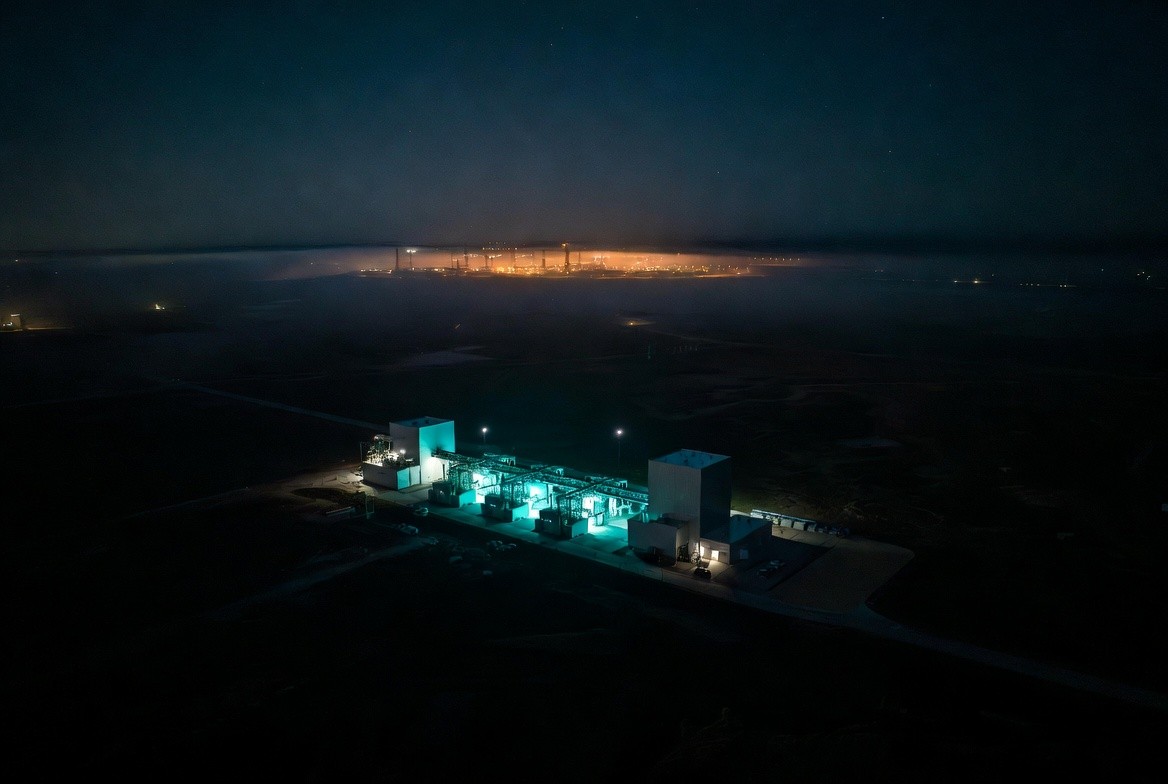
This month the Earthshot Foundation published From Rivals in Gridlock to Champions of a Stronger, Smarter Grid — a synthesis of a year of cross-sector dialogue with more than 200 grid practitioners, held under Chatham House Rule and deliberately non-partisan. It is one of the more honest accounts of the US power system to appear in some time, and its central diagnosis deserves to be read by anyone building in this market.
The diagnosis is this: the binding constraint on American electricity is no longer generation, and it is no longer capital. It is time. As one participant put it, time to interconnect has become the binding constraint across the system. Data centres are built in months; interconnection takes years. The paper calls this the timing gap, and ranks closing it among the most consequential problems in current industry practice.
The scale is hard to argue with. Data centres drew roughly 50 GW at the end of 2025, with another 36 GW under construction and some 200 GW planned — about a quarter of the entire peak demand of the lower 48. Meanwhile, interconnection queues have swelled to roughly three times the country's total installed, operating capacity. Capital is not missing. It is sitting idle, waiting for a connection.
The paper's prescription is a whole-grid one: harvest the latent capacity already in the system, coordinate across the silos that fragment planning, put the cost of new large loads in the right boxes rather than socialising it onto households, and — above all — keep hyperscalers connected to the grid rather than losing them to alternatives. Every one of those recommendations is correct. Most are overdue.
But they share one property: they are slow. They are institutional, multi-year, multi-stakeholder projects. And the demand they are meant to serve does not have a multi-year attention span.
So the load is already moving. By early 2026, roughly 30% of planned data-centre demand was coming from behind-the-meter resources — onsite generation that bypasses the interconnection queue entirely. When xAI needed power for its Memphis supercomputer faster than the grid could offer it, it permitted its own gas turbines on site. That is not an outlier. It is the leading edge of a structural response to a structural delay.
Here is the part the grid-first framing underplays. Going behind the meter does not make the binding constraint disappear. It makes it change shape.
Off the grid, the bottleneck is no longer the interconnection queue. It becomes a matching problem: how fast can a generation technology that fits the site, a site that fits the technology, and the capital willing to underwrite both actually find and qualify one another? Today that process — establishing confidentiality, verifying technical claims, screening counterparties, making introductions that mostly lead nowhere — takes eighteen to twenty-four months. Which is to say: the same order of magnitude as the grid queue everyone is trying to escape.
The grid's coordination problem and the off-grid market's matching problem are the same problem wearing different clothes. The Earthshot paper is right that the answer at the system level is more intentional coordination. The same is true one level down, at the level of the individual transaction. Someone has to do the connecting — and do it in weeks, not years — or the behind-the-meter path simply recreates the delay it was meant to avoid.
Opening the GridIron Finale in Washington, Jigar Shah put the diagnosis more bluntly still: not a technology problem, not a capital problem, but a leadership problem — no one is in charge of building the grid the moment requires, and no one will pay for it unless the returns are proprietary and regulated. He and Chase Weir have spent fifteen years arguing that the grid's hardest problems are human ones that only look technical. That holds at the national level. It holds just as firmly at the level of a single deal, where the conversation between the technology, the site, and the capital is left to chance instead of being made someone's job.
This is the work we do at SitePower: the matching layer for energy infrastructure. We sit between the technologies that can deliver power behind the meter, the sites that need it now, and the capital that funds it — qualifying each side before the introduction, and only putting parties in front of each other when there is a real reason to believe a deal exists. Done properly, the eighteen-to-twenty-four-month search collapses to weeks, without lowering the bar on who gets through it.
The paper's closing observation is that the scarce ingredient was never the technology, the capital, the resources, or the demand. All of those already exist, in abundance. What is missing is the intention — and the infrastructure — to connect them on the timeline the moment demands.
We agree. We would only add that the connecting is not a grid problem alone. Wherever the electrons end up coming from, the constraint that decides who gets powered first is the speed of the match.
The grid hopes the load will wait for it. The data says it won't.
The Qualification Gate — Financiers
For financiers ready to deploy.
If your fund has a mandate to deploy into AI-infrastructure — or the energy backbone underneath it — and you'd rather reach pre-qualified, closeable deals before the peer set does, the qualification gate is below.
We respond within five business days. The matching either closes or it doesn't — fast.
Apply to the qualification gateSitePower does not place capital, raise funds, or charge fees to allocators. Our economics come from sponsor-side carry, co-investment, and operating roles inside the deals we help shape.