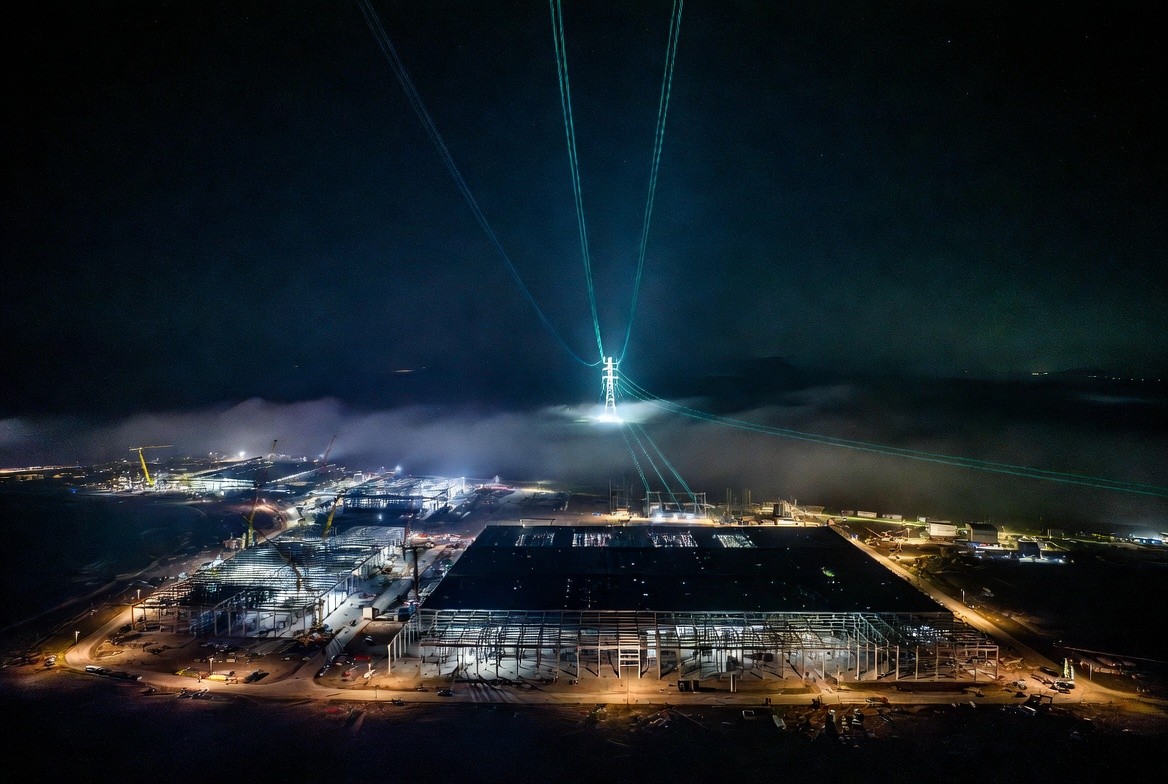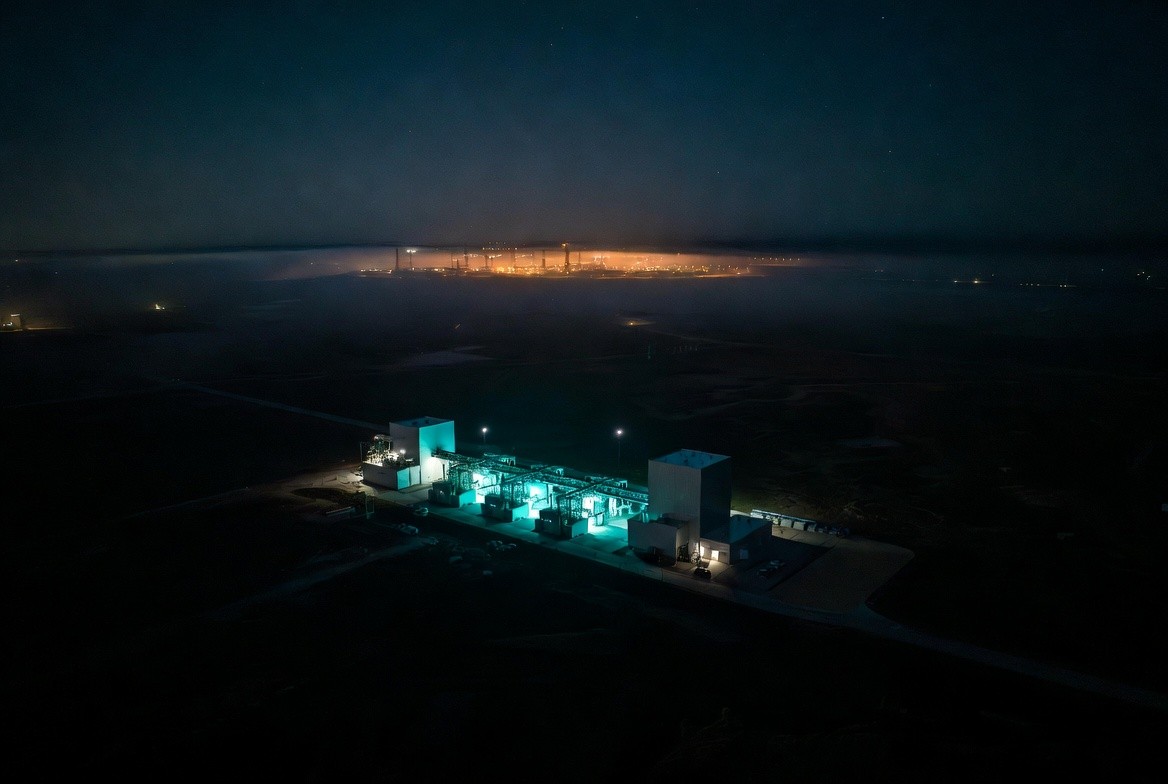
The US needs to bring on roughly 76 gigawatts of data centre load by the end of 2026, up from about 50 GW in 2024. Microsoft alone has contracted around 40 GW of generation. Against that, the company also walked away from up to 2 GW of leases in February 2025 and froze another 1.5 GW of self-build. Both things are true. The market is short of power, and oversubscribed in places where power can't get to load on a schedule that matters. That is not a generation problem. It is a matching problem. This is what fixes it.
The hidden bottleneck
Three counterparties. Four lawyers. Six months of NDAs, term sheets, and revisions. Zero deal.
That is the modal outcome of a US energy infrastructure transaction in 2026, and it isn't because the market has run out of capital, sites, or technology. It has run out of a layer in the middle that does the work of qualifying who can actually close, on what terms, against which mandate, in what window.
The hyperscalers have largely built their way around this. AWS signed a 17-year nuclear PPA with Talen for an existing operating asset because new construction plus interconnection plus permitting plus PPA negotiation was a six-to-nine-year timeline they couldn't accept. Microsoft pulled forward Three Mile Island Unit 1 for the same reason. Cleanview's February 2026 estimate is that 30% of anticipated US data centre capacity will now come from on-site generation, up from effectively zero a year prior. That number isn't a vision. It's a workaround.
What it works around is the slow, expensive, attrition-heavy process of matching three sides of a deal — the technology that produces the megawatts, the site and offtake that consume them, and the capital that finances the gap between contract and operation — to a structured close. Hyperscalers can absorb the cost of doing it bespoke at gigawatt scale. Everyone below them can't.
The problem is not that there is no power. The problem is that power, sites, and money sit in three different rooms, with three different risk languages, and the bridge between them doesn't exist in any standardised form. That bridge is the matching layer.
What the matching layer actually is
A matching layer in energy infrastructure does three things:
It qualifies counterparties before they spend lawyer time. Not a soft introduction. A structured pre-flight on whether the technology has bankable performance data, whether the site has interconnection or behind-the-meter optionality, whether the capital is mandate-aligned and can deploy in the relevant window.
It structures deals to a repeatable shape. Not bespoke from zero every time. A spine that defines the offtake price, the curtailment assumptions, the credit support, the dispatch logic, the technology guarantees, the site control, the financing waterfall. Bespoke where bespoke matters; standard where standard makes the deal close.
It moves the deal through the documentation, due diligence, and execution sequence on a clock. Two-tier NDA at the top so people can talk before they spend. Term sheet within four weeks. Definitive documents within sixteen. If any side falls off, fail fast and re-match.
That is what the layer does. What it is not is a marketplace. A marketplace shows you 4,500 PPA price offers across 28 countries, which is roughly the LevelTen number, and that's useful — for understanding the price curve. It is not useful for closing a deal between a 350 MW behind-the-meter site, a long-duration storage technology with eight months of operating data, and a development finance institution that has a 12-month deployment window and a country-specific mandate. That deal will never appear in a marketplace because all three sides need to negotiate around each other simultaneously, not bid on a price.
What we are describing is the layer that PPA marketplaces, asset listing platforms, and brokerage networks point at but do not occupy. It is closer to what a buy-side investment bank does for an M&A transaction than what a real estate listing service does for a house. The deal isn't sold. The deal is constructed.
Why it hasn't existed before
Three reasons.
The first is that until roughly 2023, the US energy infrastructure stack didn't need a matching layer. Utility-scale renewable PPAs cleared through corporate procurement teams talking to a small number of developers via well-known advisory firms. Volumes were predictable. Timelines were measured in years, not months. The cost of bespoke transactions was acceptable because the rate of new transactions was low.
The second is that the actors who would have built the layer don't sit naturally in the middle. Developers want to sell their projects. Tech companies want to deploy their tech. Financiers want to deploy their capital against a mandate. Each of those actors sees the matching problem from one side. Solving it from the middle requires not having a position on which side wins — which is structurally hard for any party that earns its margin on one side of the table.
The third is that the AI workload reset everything in eighteen months. The volume of new transactions shot up. The complexity of those transactions shot up. The geographic distribution shifted toward emerging markets where DFI capital is the natural source. The technology mix expanded beyond solar-plus-storage into nuclear, hybrid gas, fuel cells, geothermal, advanced storage chemistries, and behind-the-meter co-location structures. The number of permutations multiplied. The number of qualified counterparties did not.
The result is a market where the average tech CEO with a working product spends nine months trying to find their first US site, the average site developer with a 200 MW behind-the-meter opportunity spends seven months trying to find a non-hyperscale offtaker that can sign before the option lapses, and the average financier with a $200 million mandate sees twenty deal memos a month and closes one. All of them are structurally underserved. None of them are short of opportunity. The matching is broken.
The three roles, and how each one fails
Tech companies fail at distribution. They have a working megawatt. They have eight to twenty-four months of operating data. What they don't have is a way to translate that into US site optionality without burning eighteen months hiring a US BD lead, building relationships, and learning that 90% of the developers they meet were not actually qualified to close. The classic failure pattern is the company that raises a Series B on the strength of US expansion, hires a Houston-based VP, signs three LOIs, watches all three counterparties get acquired or pivot, and ends the year having spent $4 million on traction it cannot show.
Site developers fail at offtake. They have site control. They have studied interconnection or have a behind-the-meter pathway. What they don't have is a non-hyperscale offtaker who can actually sign at $/kWh terms that make the project finance-able, and they don't have time to spend a year educating a tech-company CFO about why a 15-year contract structure is normal in this asset class. The classic failure pattern is the developer with three live sites who lets all three options expire because the offtakers they engaged were either too small to provide credit support or too slow to complete diligence inside the option window.
Financiers fail at deal flow quality. They see plenty of deals. What they don't see is qualified deals — deals where the technology is verifiable, the offtake is signed or near-signed, the site is controlled, the regulatory pathway is clear, and the capital structure has been pre-thought. The classic failure pattern is the infrastructure debt fund that closes at $400 million, deploys $80 million in two years, and writes the rest down on opportunity cost while every deal it passes on closes elsewhere.
These are not three different problems. They are one problem viewed from three sides. Each side has been told for a decade that the problem is on their side — the tech company is told its product is too early, the developer is told its site is wrong, the financier is told its mandate is too tight. None of those framings are right. The problem is that the layer that would assemble the three of them around a closeable structure does not exist as a service.
What changes when the matching layer exists
A few specific things change.
Time to first deal compresses. A tech company that arrives in the US with verified performance data and a clear technology guarantee profile can be matched to a qualified site within ninety days, not nine months. The compression comes from skipping the unqualified meetings. Not from being faster in any individual meeting.
Deal mortality drops. The base rate of structured energy infrastructure deals that fall over after term sheet sits around 60-70% across the market in 2025-26. A matching layer that pre-qualifies counterparties on credit support, deployment window, regulatory exposure, and mandate alignment can plausibly cut that to 30-40%. Not because the deals are easier. Because the deals that wouldn't have closed get killed earlier, before everyone's lawyers have run a meter.
Capital deploys against mandate. Development finance institutions and infrastructure debt funds with country-specific or sector-specific mandates currently see most of their deal flow through a sell-side filter that pushes any matching deal to them — even ones they were always going to pass on. A matching layer that begins with the mandate (jurisdiction, technology mix, deployment window, structural preferences) and works backward to the deals that fit it cuts the volume of unfit memos and increases the count of fit ones.
The total effect is not a marketplace. It is a deal velocity multiplier. The same number of MW of opportunity, financed faster, with lower attrition, against the right capital. That is what the matching layer adds.
What this means if you are reading this on Monday
If you run a tech company with a working product and a US growth mandate, the question on Monday morning is not "how do I hire a US BD lead." It is "do I have, today, the materials a credible matching counterparty would need to qualify me — performance data, technology guarantees, financial position, deployment timeline, and a clear ask." If the answer is no, that is the gap to close before the first conversation, not after the tenth. The cost of an unqualified BD process is about $4 million per year and twelve months of runway.
If you develop sites — in the US, in Australasia, or in any of the emerging-market geographies where DFI capital is the natural offtake-adjacent partner — the question on Monday morning is "what is the actual offtake counterparty profile that would close a contract on this site inside my option window." Not "what would a hyperscaler pay." Hyperscalers are 95% covered by their own existing development teams. The non-hyperscale market is where the matching layer actually creates motion, and the offtaker profile that closes there is structurally different from the one that closes at scale.
If you allocate infrastructure capital, the question on Monday morning is "what is my mandate, exactly, and which matching layer is filtering for it." If the answer is "I see whatever my brokerage relationships push through," the deal flow is being filtered for someone else's incentives, not yours. The cost of a sub-deployed fund is paid in opportunity, and the opportunity in this cycle is largely going to the funds that have built or rented a matching capability.
If none of those three describes you, but the topic is interesting, the next thing to read is the glossary entry on what the matching layer is in plain definitional terms. After that, the cell-by-cell breakdown of how this manifests in tech, site, and financier audiences. The matching layer is not a product. It is a category of work that someone in every infrastructure transaction is currently doing — usually badly, usually expensively, usually too late.
Where this is going
The next eighteen months will produce a cohort of energy infrastructure deals that close fast — meaning sub-twelve-month from first conversation to financial close — alongside a much larger cohort of deals that drag and die. The variable separating them will not be technology, site quality, or capital availability in any direct sense. It will be whether a matching layer was assembling them, or whether each side was hoping the other side would self-organise.
The hyperscalers are already through this gate. They built the matching layer in-house, bilaterally, deal by deal, by pulling a 17-year operating-asset PPA out of a nuclear plant they wouldn't otherwise have touched. They had the balance sheet and the strategic urgency to do it that way.
For the next 50 GW of data centre load below hyperscaler scale — and for the substantially larger Australasian and DFI-territory infrastructure pipelines underneath that — there is no balance sheet that does this bilaterally. The matching layer has to be a service. That is what we are building.
The Qualification Gate — Financiers
For financiers ready to deploy.
If your fund has a mandate to deploy into AI-infrastructure — or the energy backbone underneath it — and you'd rather reach pre-qualified, closeable deals before the peer set does, the qualification gate is below.
We respond within five business days. The matching either closes or it doesn't — fast.
Apply to the qualification gateSitePower does not place capital, raise funds, or charge fees to allocators. Our economics come from sponsor-side carry, co-investment, and operating roles inside the deals we help shape.